What are Powdered Eggs?
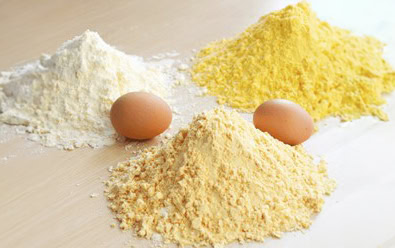
Powdered eggs, also known as dried eggs or egg powder, are eggs that have been processed into a powdered form for various culinary and food production purposes. Here’s everything you need to know about powdered eggs:
Production Process: Powdered eggs are typically produced by dehydrating liquid eggs through a process that involves breaking and mixing eggs, removing the moisture, and then grinding the resulting dried egg mixture into a fine powder. The powder is then pasteurized to ensure safety and extend shelf life.
Types: There are two main types of powdered eggs: whole egg powder and egg white powder. Whole egg powder contains both egg whites and yolks, while egg white powder consists only of egg whites. There are also powdered egg products available with added ingredients like salt or sugar for specific culinary applications.

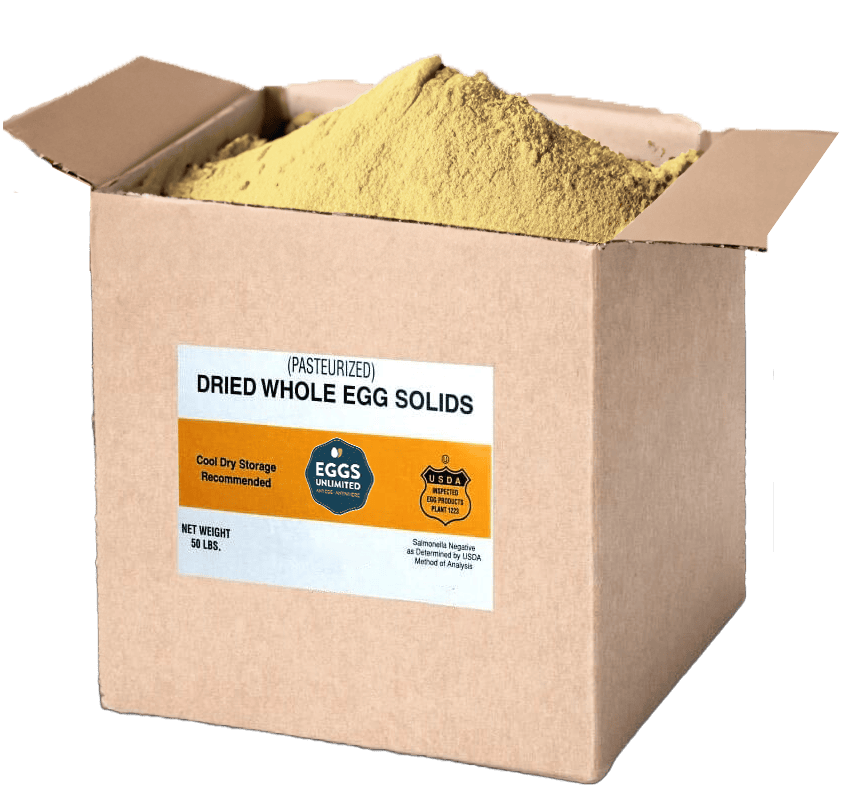
Shelf Life: One of the significant advantages of powdered eggs is their long shelf life. When stored in a cool, dry place away from sunlight, powdered eggs can typically last for several months to a year or more without refrigeration. Properly sealed and stored powdered eggs can even last for several years.
Versatility: Powdered eggs are versatile and can be reconstituted with water to create liquid eggs for various culinary uses. They can be used in recipes that call for eggs, such as baking, cooking, and scrambling. Powdered eggs are commonly used in food production settings, including bakeries, restaurants, and food manufacturing facilities, where a convenient and shelf-stable egg product is needed.
Nutritional Value: Powdered eggs retain much of the nutritional value of fresh eggs, including protein, vitamins, and minerals. However, some nutrients may be slightly reduced during the dehydration process. Powdered eggs are a convenient source of protein and can be a valuable addition to a balanced diet.
Convenience: Powdered eggs offer several convenience benefits over fresh eggs. They are lightweight, compact, and easy to store and transport, making them ideal for camping, hiking, and emergency preparedness kits. Powdered eggs also eliminate the need for cracking and storing fragile fresh eggs, reducing waste and mess.
Cost-Effectiveness: While the initial cost of powdered eggs may be higher than that of fresh eggs, their extended shelf life and versatility can make them cost-effective in the long run, especially for commercial and bulk usage.
Reconstitution: To reconstitute powdered eggs, simply mix the desired amount of egg powder with water according to the package instructions. Typically, one part powdered eggs to two parts water is a common ratio for reconstitution. The mixture can then be used in recipes just like fresh eggs.
Availability: Powdered eggs are widely available for purchase online, in specialty food stores, and through foodservice suppliers. They are sold in various packaging sizes, from small pouches for individual use to large bulk containers for commercial applications.
Powdered Eggs vs. Conventional Eggs, What’s the difference?
Shelf Life:
Powdered Eggs: Longer shelf life, lasting several months to a year or more without refrigeration.
Conventional Eggs: Shorter shelf life, typically several weeks when refrigerated.
Storage and Transportation:
Powdered Eggs: Lightweight, compact, and don’t require refrigeration, suitable for camping and emergencies.
Conventional Eggs: Fragile, need refrigeration, require careful handling.
Versatility:
Powdered Eggs: Reconstituted with water for various culinary uses, like baking and cooking.
Conventional Eggs: Used in both cooked and raw forms, widely versatile in cooking.
Nutritional Value:
Powdered Eggs: Retain nutritional value but may have slight nutrient reduction during dehydration.
Conventional Eggs: Rich in protein, vitamins, and minerals like vitamin D, B12, and iron.
Cost:
Powdered Eggs: Higher initial cost but cost-effective due to longer shelf life.
Conventional Eggs: Less expensive per unit but shorter shelf life.
Availability:
Powdered Eggs: Widely available online and in specialty stores, various packaging sizes.
Conventional Eggs: Found in grocery stores, farmers’ markets, sold in cartons of different sizes.
Overall, powdered eggs offer a convenient, shelf-stable alternative to conventional eggs with a long shelf life, versatility in culinary applications, and nutritional benefits. Whether for home cooking, food production, or emergency preparedness, powdered eggs are a valuable addition to any pantry.
Where can I source wholesale powdered eggs?
Eggs Unlimited is one of the leading global suppliers of powdered eggs and conventional eggs. We have the experience and market knowledge to help save our customers time and money. We work with some of the largest egg producers, retailers, distributors, foodservice organizations, QSRs, and processors in the US and around the world. They trust us to provide competitive prices and take care of logistics from pickup to delivery.
We act as an extension of our customers’ procurement or sales teams, creating value, providing solutions, and delivering on time and in full. The company is built on family values, and we strive to work harder than anyone in the industry to service the needs of our customers.
LET’S DISCUSS YOUR LOCAL Powdered EGGs Needs!
Get in touch with the Eggs Unlimited Sales team to discover all your conventional egg options.
Call: 888-554-3977